

Who can participate?
Sema events are open to anyone with a genuine interest in and respect for the subject.
What are the requirements for participation?
Our events draw their foundation from Islam and their inspiration from Rumi. We expect participants to come with an understanding of this and to conduct themselves accordingly at the event venue.
Clothing, behavior, and concepts of hygiene vary across different nations and cultures. Consequently, it has become necessary to establish certain basic principles—or rules—to ensure that the event proceeds in a balanced and harmonious manner.
There is no requirement to participate in the entire event. We all participate as much as we feel like and as our circumstances allow.
Please read all the rules before deciding to participate in the event.
What exactly are we going to do?
Sema is the main purpose of this event. We hope that participants will understand this and plan accordingly. In addition, there is a great deal of work that needs to be done to ensure that Sema can continue. All of this work is carried out by volunteers.
That said, it’s only natural that an event of this length would include some activities beyond the sema and spiritual practice. Gökçedere, where the dergah is located, is rich in natural beauty. Hikes to the nearby village or forest, as well as thermal baths, will make your time here even more enjoyable.
A typical day at the event
Kitchen volunteers,
musicians, and those performing the sema late into the night are usually required to follow a sort of time-based shift system. There isn’t really a set plan for activities outside of that.
We can consider the breakfast prepared around 8:00 a.m. to be the start of the day. However, some participants, after performing the sema all night, retire to rest at this hour.
There may be conversations and music therapy sessions throughout the day.
After dinner, there is usually a discussion about the *Mesnevi*.
And while all this is happening, the sema continues without pause.
What is the registration fee?
There is no set participation fee for our event. However, we do not have any sponsors, and all expenses for the event—such as food, water, and electricity—are covered by donations from participants. We hope that every participant who is able to do so will make a donation.
Volunteer work
All tasks for the Sema event are carried out by volunteers. We hope that every participant will support the event by volunteering as much as they can.
“Have some decency, for heaven’s sake!”
At our Sema events, people from many different parts of the world come together. Clothing, behavioral norms, and concepts of hygiene vary across different nations and cultures. Consequently, it has become necessary to establish certain basic principles—rules—to ensure that the event proceeds in a balanced and harmonious manner.
This event is rooted in Islam and draws its inspiration from Rumi. Therefore, we expect participants to adapt to and respect the values of this tradition and culture.
Although it may seem like a long list when broken down item by item, there are essentially five main rules.
- Don’t make noise. Don’t disturb others.
- Take care to keep yourself and your surroundings clean
- Show your respect for tradition through both your behavior and your attire.
- Do not under any circumstances use or possess harmful or illegal substances.
- The purpose of this event is to perform the sema. Please participate in the sema in person.
Please read all the rules before participating in the event. Participants will be deemed to have read and accepted the rules.
Sema is a form of worship
Sema is a form of worship. Let’s adjust our behavior in the semahane accordingly.
- Let’s perform ablution before entering the semahane.
- Let’s greet one another as we enter and leave the semahane.
- Let’s not talk in the semah hall.
- Let’s definitely not use our cell phones in the semah hall
- Let’s not eat in the semahane, and let’s not drink anything other than water.
- Please refrain from taking photos or videos in the semahane, except at times that have been specifically designated and announced in advance.
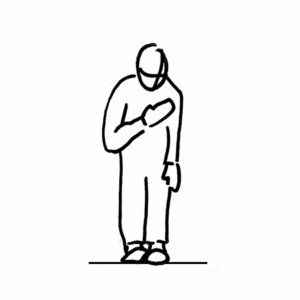
The greeting—with our right hand over our heart and our head slightly bowed—is an expression of our respect for tradition, those who uphold it, and those who practice it.
Let’s be a part of this event
Sema is the primary purpose of our gathering here and our top priority. Please let us organize our planning, assessments, and behavior with this in mind.
-
- The Sema never stops. Let’s try to contribute to keeping the Sema going, especially late at night.
- During times when the semah hall is crowded, let’s take the utmost care not to disturb the other semazens. In such situations, priority is given to those who began the sema first. It is appropriate for those who enter later to show respect to those who began spinning first.
- The area around the semahane is reserved for staff and general use. Please do not claim any personal spaces. Please do not leave your personal belongings here.
- The music never stops in the semahane.
- At certain times of the day, a staff member is in charge of and responsible for the music.
- Let’s get the music coordinator’s approval to play the music.
- When accompanying the music with our percussion instruments, let’s avoid playing too loudly, which could disrupt the harmony and disturb those around us. Let’s follow the music director’s guidance in this matter.
- Let’s consult with the staff regarding musical performances inside and around the event venue, excluding the semahane.
General Cleaning Requirements
- Please do not enter the event venue with shoes or the flip-flops we wear outside. This also includes not entering without cleaning your feet after walking barefoot outside.
- Let’s not litter inside or around the event venue under any circumstances.
- Let’s be mindful not to bother those around us with cigarette smoke, excessive perfume, or body odor.
Restrooms, showers
- Let’s not go into the restrooms barefoot or wearing the slippers we wear indoors.
- Please do not flush paper or similar items down the toilets. Our drainage system is not designed to handle these materials.
- To avoid odors and maintain a clean appearance, let’s keep the bathroom doors closed.
- The restrooms are cleaned by volunteers. Please sign up for the cleaning roster and speak with the staff for more details about the cleaning schedule.
Hanging and collecting laundry
Everyone is responsible for their own laundry. We can hang our laundry to dry on the lines strung between the trees in the yard. Please don’t leave your dried laundry on the line. There’s more laundry waiting to dry.
Cleaning the square and the garden, volunteer work
Cleaning all areas of the event venue is handled by volunteers, just like other tasks. Let’s talk to the staff about volunteering and the cleaning details.
This is a spiritual practice; within its tradition, there are certain rules based on respect regarding behavior, attire, and how one sits and stands. Let us demonstrate our respect for the space we are in and the tradition it represents through our speech, our movements, and the way we sit.
Every culture has a different perspective on sexuality. Let’s avoid behaviors that might conflict with others’ spiritual beliefs or suggest sexuality.
Let’s choose our attire with the awareness that we are participating in an event rooted in Islamic tradition. Even though it may be hot during the summer months, let’s maintain a modest style in our dress.
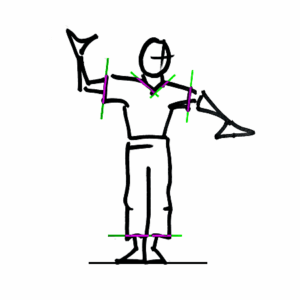
Clothing: Let’s dress in a way that covers our shoulders, chest, back, and legs.
Spiritual practice means learning. Being open to learning is beneficial for all of us.
- Maintaining silence within the event area is extremely important and necessary.
- Since the Sema is performed continuously, there may be people sleeping at any time of day. Let’s avoid loud noises.
- The tent area is for resting and sleeping. Please do not talk here.
- All participants are responsible for their own belongings.
- To ensure the event runs smoothly, let’s place our bags neatly in the areas indicated by the staff.
- We can hand over our valuables to the staff.
- All participants are responsible for keeping the event venue clean and tidy.
- Let’s put our shoes on the shelves by the entrance. Shoes left in front of the door make it difficult to come and go.
- Only authorized personnel and their designated assistants may enter the kitchen and pantry.
- Three meals—breakfast, lunch, and dinner—are served at the event venue.
- It is very important to return kitchen items to the kitchen so they can be used when needed. Please return the plates, glasses, forks, spoons, and other items we’ve taken to the kitchen as soon as we’re finished.
Volunteer work
All the work for the Sema event is done by volunteers. We hope that every participant will support the event by volunteering as much as they can.
We can help the kitchen staff with meal preparation, dishwashing, and cleaning. To do so, we can ask the staff for assistance.
This is a spiritual practice. To keep the energy of both ourselves and the event as a whole pure, we have certain principles regarding harmful and/or legally prohibited substances:
Cigarette
Except for the designated smoking areas, which we have tried to locate as far away from the event venue as possible, we do not smoke inside or around the event venue.
Alcohol
We do not permit the use of substances—such as alcohol—that are inconsistent with the purpose of the event at this venue. We strictly prohibit anyone from entering the event venue while under the influence of intoxicating or psychoactive substances.
Drugs
The use, possession, and sale of narcotics are prohibited under the laws of the Republic of Turkey. We will do everything in our power—including through legal means—to ensure that these substances are not brought into the event venue or its surrounding area.